
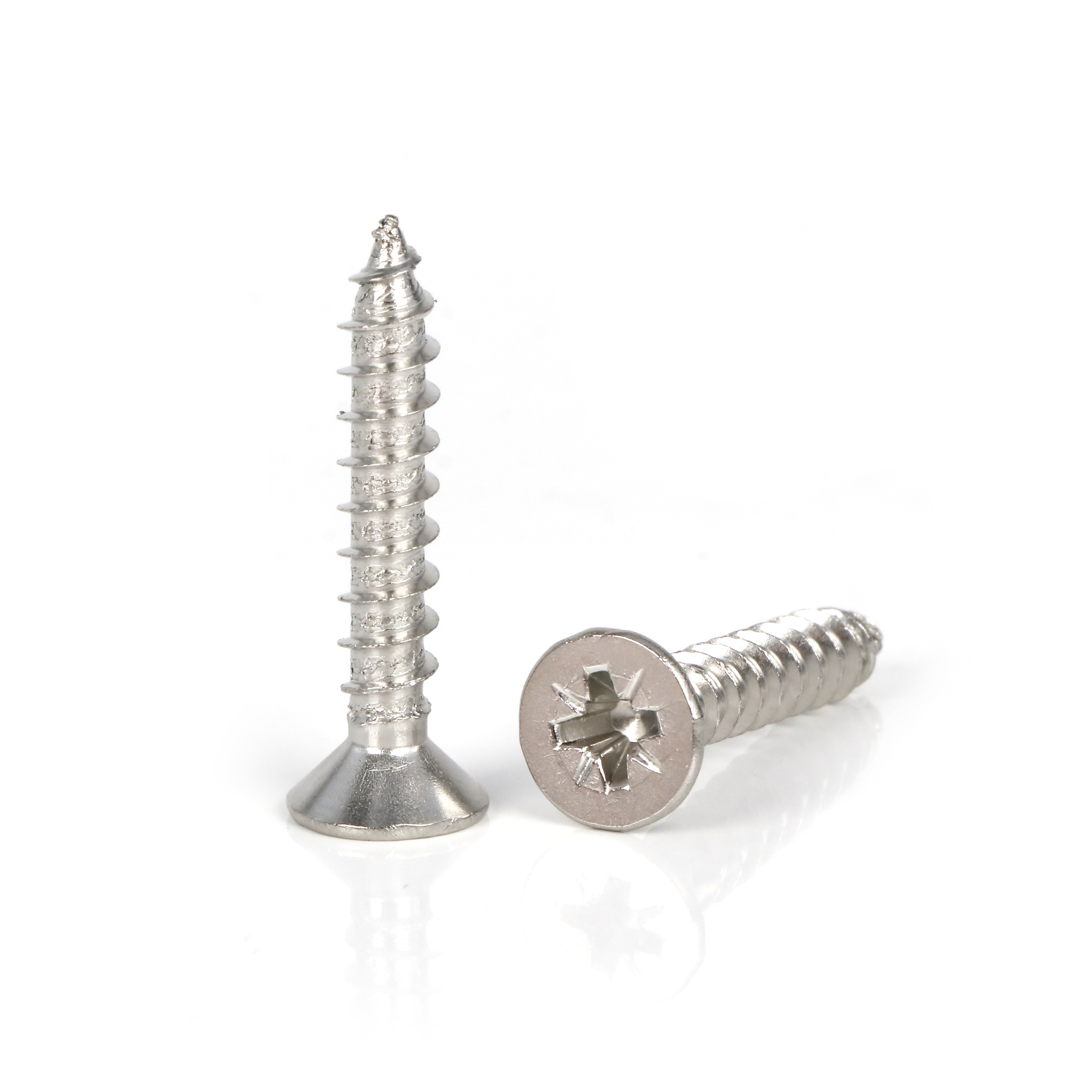


BOM Revision Practice: Switching To SEMS screws For Existing Mass‑Production Products
1. Verify stack‑height dimension equivalence
When you replace separate screw + washer stack with SEMS screws, compare total thickness of captive‑washer assembly versus your original loose‑washer stack. ‑ If SEMS washer stack height is thicker, effective screw engagement length shrinks, which lowers clamping force. ‑ If stack height is thinner, pre‑load value deviates from original design target. Do not only compare screw thread length; measure full head‑plus‑washer stack dimension, confirm it matches original design space.

2. Carry out vibratory‑bowl feeding validation (for automated lines)

If your workshop runs automatic screwing equipment, sample SEMS screws must go through real bowl‑feeder testing. Integrated washer adds outer‑diameter profile changes. Even if thread and head look similar to old discrete screws, it may cause orientation jamming or high reject‑rate inside feeding rails. Feeding test cannot be substituted by drawing‑paper review only.
3. Re‑calibrate torque setting after replacement

The captive‑washer contact friction condition of SEMS screws differs from manually stacked loose washers. Even using identical thread specification, your original torque parameter for discrete screw‑washer may no longer apply. Run torque‑versus‑clamping‑force test on real product work‑pieces, adjust screwdriver parameter before full‑scale change‑over.
4. Confirm washer‑type matches original functional requirement
Do not simply pick random off‑the‑shelf SEMS screws.
- If old design uses spring‑washer for anti‑vibration pre‑load: you must select double‑washer SEMS variant with spring‑washer built‑in. Single flat‑washer SEMS will lose anti‑loosening function.
- If original design only needs pressure distribution without anti‑vibration requirement: single flat‑washer SEMS works fine. Mismatched washer configuration leads to hidden field‑failure risk after product shipment.

5. Pilot‑phase partial‑lot trial before full‑BOM swap
For mature mass‑production products, avoid 100% immediate switch‑over. ‑ Arrange partial‑lot pilot production using new SEMS screws, keep old discrete screw‑washer stock as backup. ‑ Monitor assembly‑defect rate, feeding performance and finished‑product reliability for several production batches. ‑ Only after pilot‑run data proves stable performance can you fully update official BOM and phase‑out old discrete‑fastener SKUs.
Final take‑away
Adopting SEMS screws is an effective way to reduce washer‑related assembly defects and consolidate BOM items. But it is not a zero‑risk quick fix. Treat it as a formal component‑change project: dimension check, feeding test, torque calibration and pilot‑lot verification are indispensable steps. Communicate your original stack‑height, anti‑vibration requirement and production‑line setup with fastener suppliers in advance to avoid costly mass‑production incidents.