


0102030405
Critical Installation Do‑and‑Don’ts For Countersunk Self‑Tapping Screws In Panel Assembly
2026-08-21
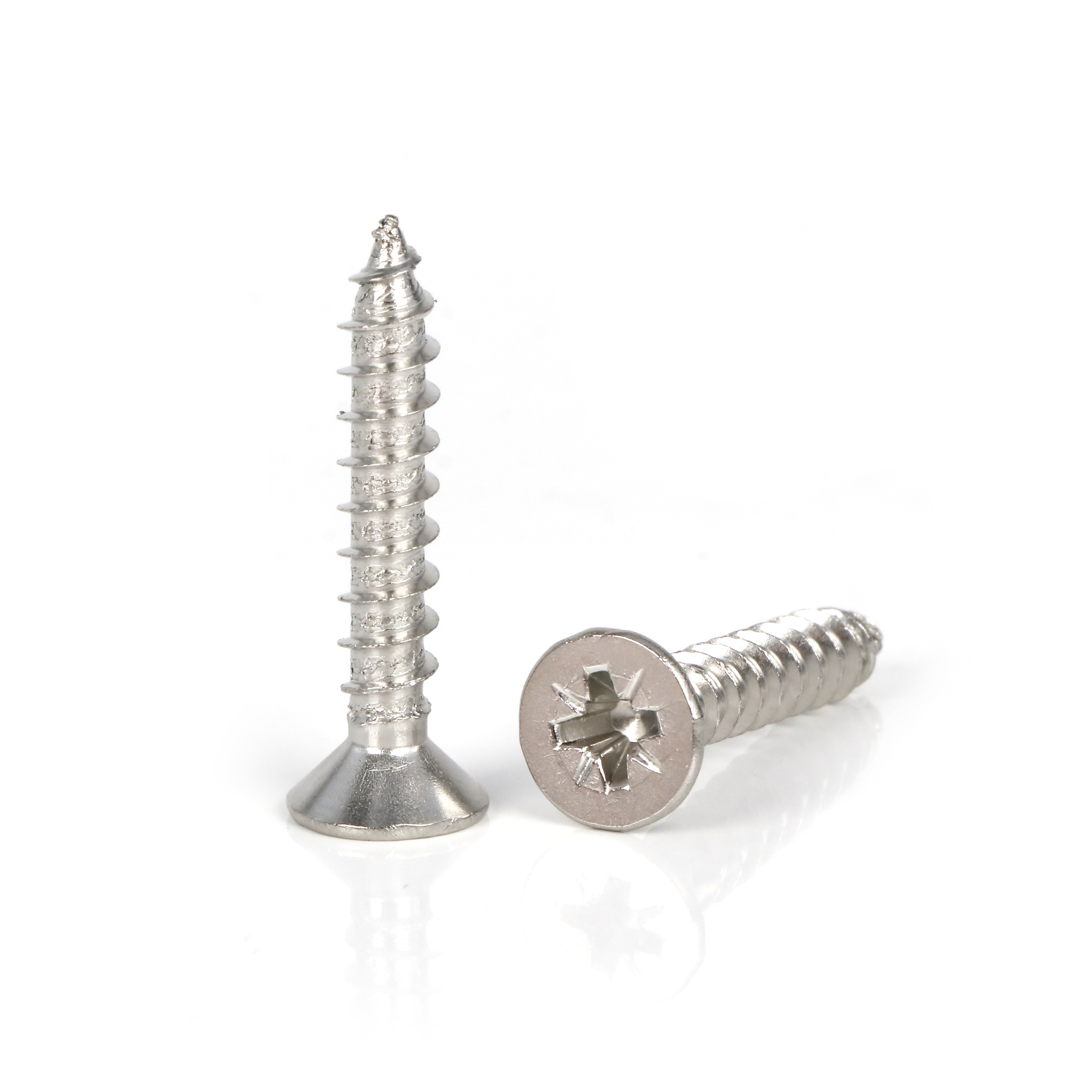
countersunk self‑tapping screws are widely chosen for panel assembly when designers demand fully‑flush, non‑protruding surfaces. However, many factories achieve poor finish or weak connections simply from wrong assembly habits, not defective fasteners. This article lists clear do‑and‑don’t guidelines when working with countersunk self‑tapping screws.

✅ Things You Should Do when using countersunk self‑tapping screws
-
Do machine matching 90‑degree counter‑sink counter‑bore hole Make counter‑sink hole angle match the screw’s tapered‑head angle. Full cone‑surface contact distributes clamping stress evenly, which improves vibration resistance and avoids partial point‑pressure damage.

-
Do set torque value according to substrate material Calibrate screwdriver torque for your actual material: lower torque for brittle plastic panels; medium torque for thin‑gauge sheet‑metal; higher torque for thick rigid metal. Test torque with sample work‑pieces before mass assembly.
-
Do select matching thread‑form for your workpiece Use thread‑cutting countersunk self‑tapping screws for metal and hard composite panels. Adopt thread‑forming PT‑style countersunk self‑tapping screws for plastic housings to minimise cracking risk.
-
Do inspect surface flushness after tightening Visually and manually check each fastened spot. The head must sit level with panel surface. If it sits either raised or excessively sunken, review counter‑sink dimension and torque setup.
</
❌ Things You Should NOT Do when using countersunk self‑tapping screws
-
Don’t skip counter‑sink hole processing Running countersunk self‑tapping screws through plain flat bore cannot make head sink automatically. You will get permanently protruding head, defeating the whole purpose of countersunk‑head design.
-
Don’t apply excessive over‑torque Over‑tightening crushes the counter‑sink conical seat. This deforms workpiece hole geometry, reduces real clamping force, and can create hidden micro‑cracks especially in thin plastic parts.
-
Don’t mix‑match countersink‑angle geometry Avoid pairing 90‑degree‑head countersunk self‑tapping screws with counter‑sink holes of very different angles. Mismatched angles cause only partial contact area, joints will easily loosen under vibration.
-
Don’t use zinc‑plated carbon‑steel variants for long‑term outdoor exposure Zinc‑plated carbon‑steel countersunk self‑tapping screws suffer rust in salt‑spray or continuously‑wet outdoor conditions. Upgrade to stainless‑steel grades for outdoor‑facing panels.
Final practical suggestion
If your project involves non‑standard counter‑sink dimensions or special panel‑material, share drawing details with your fastener supplier in advance. Small‑batch pre‑assembly trials using real production blanks can uncover geometry or torque issues before large‑volume orders, saving costly post‑production rework.