


Key Decision‑Making Factors When Specifying machine screws For New Product Development
During new‑product development cycles, hardware engineers spend much time on main‑body structure, yet sometimes overlook detailed parameters of machine screws. Improper screw specification will trigger modification requests after prototype testing, bring delayed schedules and extra re‑work cost. Below we list practical decision‑making factors collected from many OEM mass‑production projects.
Confirm thread system at early drawing phase
Thread mismatch ranks among the most common avoidable mistakes. Many projects mix metric and inch standards without clear marks on drawing.
- Metric machine screws fit metric pre‑tapped holes.
- UNC / UNF machine screws go with imperial tapped holes.
Do not rely on visual appearance to judge thread type. Mark thread standard clearly on drawing documents. It prevents wrong‑part delivery and assembly failure at prototype or mass‑run stage.
Select head geometry against mechanical envelope constraints
Available installation space limits which head type of machine screws you can adopt.
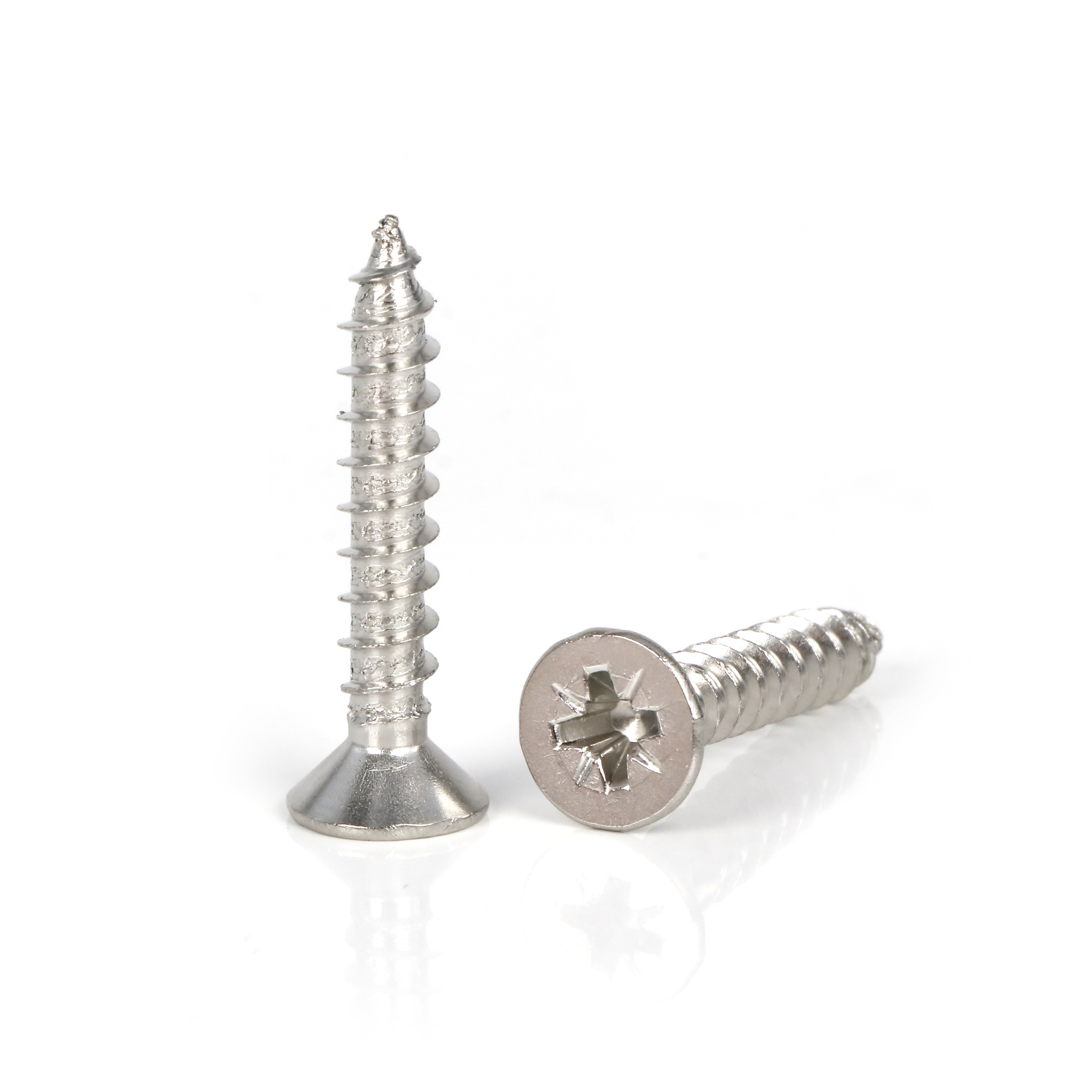
- Countersunk flat‑head: Use only when your design reserves space for counter‑sink hole. Without counter‑bore, head will stick out and interfere with surrounding components.
- Pan‑head: Good for general assembly with no flush‑surface demand. Watch out for head height, ensure no part collision after installation.
- Socket‑cap: Deliver higher torque capacity. Check radial and vertical space for allen‑key operation during servicing or re‑assembly.

Match material & surface finish with end‑product working conditions
Unit price should not become your only judging factor for material choice of machine screws.
- Indoor dry environment: zinc‑plated carbon‑steel machine screws offer cost balance.
- Humid, coastal or outdoor exposed units: switch over to 304 /316 stainless‑steel to stop rust‑related joint failure.
- Electrical conductive joints: brass machine screws are the preferred solution.
Drive recess consideration for your production line
Think about your existing assembly tooling when choosing drive type for machine screws.
- Phillips drive: fits manual and semi‑automatic assembly lines, widely‑available screwdriver bits on market.
- Hex‑socket / Torx drive: sustain higher torque output, more suitable for heavy‑duty automated fastening work.
If your production workshop already owns fixed batch of tool bits, try to pick matching drive recess to avoid extra tool purchasing cost.

Prototype sample validation before mass‑production release
Even all parameters look correct on paper, still run real‑sample verification with machine screws on your actual workpiece:
- Check head interference against surrounding structure parts
- Test screw‑in performance with real pre‑tapped hole
- Run torque test to find out over‑torque failure point
- Observe surface anti‑corrosion performance if required by end‑use environment
Only after sample passes real‑condition testing can you move forward to bulk order.
Closing Remarks
Machine screws look like small ordinary components, yet wrong specification creates big redesign burden for whole new‑product projects. Talk over your envelope size, working environment and production‑line setup with fastener suppliers at design phase. You can get practical suggestions and cut down potential modification risks.