

Hot Products


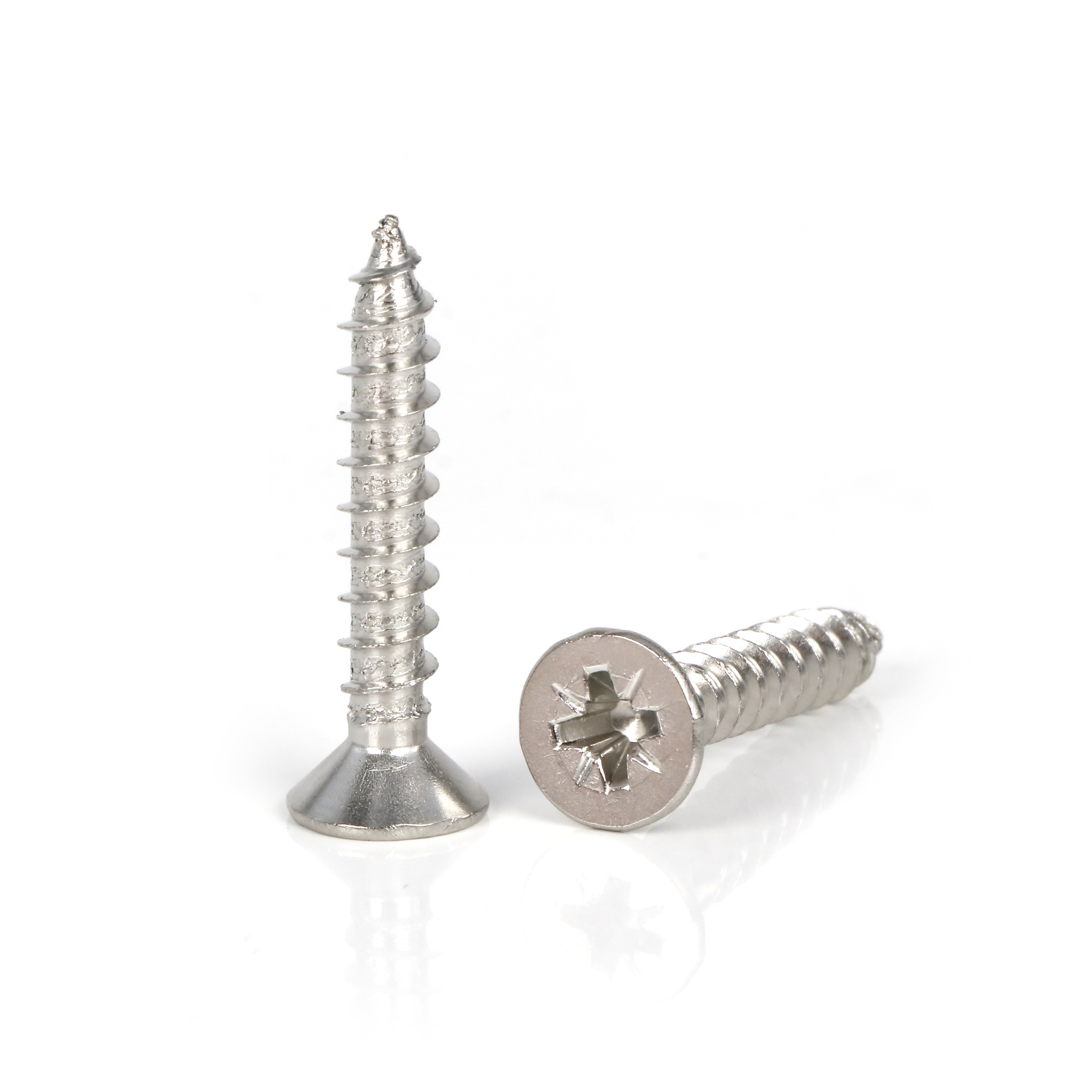


Custom Waterproof Sealing Screws from China Factory - Quality Fasteners Suppliers for Industrial Applications
What You Can Get (Specs & Custom Options)Products

Sizes we work with
Threads from M2 to M20, lengths 5mm–100mm, head styles (pan, round, flat) — and if you need something off-book (weird thread pitch, unique head diameter), send over your drawing; we’ll make it.
Seal gaskets to match your space
Pick NBR (for oil-heavy areas), EPDM (outdoor/wet spots), silicone (high-heat gear), or Viton (chemical-resistant setups) — no generic gaskets here.
Base materials & finishes
304/316 stainless steel (won’t rust in damp spots), carbon steel (for heavy strength); finishes like zinc plating (extra rust protection) or passivation (tougher against corrosion).
Where These Screws Actually WorkProducts
These aren’t just “sealing screws” — they’re for setups where leaks or gunk break things:

01
Hydraulic/pneumatic gear
Seal valve covers or cylinder parts so hydraulic oil stays put (no messy, expensive leaks).

02
Outdoor electrical boxes
Lock junction boxes/sensor housings tight — rain and dust won’t fry your equipment.

03
Chemical processing machines
Fasten reactor lids or pipeline flanges — corrosive liquids won’t seep out (or in).

04
Medical gear casings
Keep sterile environments sterile — no dust or moisture getting into sensitive instruments.
How We Make Them (And Keep Them Good)Products

Our build process:
1Cut raw material, then cold-head to shape the screw (tough, no weak spots).
2Roll threads (way more precise than cutting — threads hold tighter).
3Press-fit gaskets with machines (no loose seals from hand-fitting).
4Add finish (plating/passivation) then check every part.
How we make sure they don’t fail:
Measure every screw (calipers, thread gauges) — no “close enough” sizes.
Pressure-test seals (up to 10MPa, 24 hours no leaks).
Salt-spray test (48–120 hours) — if they rust, we scrap ’em.
Quick Tips for Installing (So They Work Right)Products
1
Wipe the mounting surface clean first
No dirt or oil under the gasket — that kills the seal.
2
Use a torque wrench
Don’t crank it too hard — you’ll crush the gasket and ruin the seal.
3
For hot/chemical spots
Check the seal every 6–12 months (swap the gasket if it looks cracked/dry).

Why Pick Us Over Generic Screws?Products
Your specs, fast: Non-standard designs can be sampled within half a month, without the need to wait for a long time for mold opening.
No batch surprises: Whether you need 100 or 100,000, every screw’s the same quality.
We help you pick: Not sure which material/gasket? Tell us your setup — we’ll point you to what works.
Professional CustomizationProducts

Have other questions for us?
Ask our experts directly!Frequently Asked QuestionsFAQ
What custom sizes and thread types do you offer?
We offer standard thread sizes from M2 to M20 and lengths from 5mm to 100mm with pan, round, or flat head configurations. Custom thread pitches and unique head diameters can also be manufactured based on your specific technical drawings.
How do I select the right gasket material for my application?
Gasket selection depends on the environment: NBR is ideal for oil-heavy environments, EPDM for outdoor or wet conditions, Silicone for high-temperature equipment, and Viton for chemical-resistant setups.
What quality control tests do your sealing screws undergo?
Every screw undergoes precise dimensional checks using calipers and thread gauges. We also perform pressure testing on seals up to 10MPa for 24 hours to ensure zero leaks, along with 48 to 120-hour salt-spray tests to guarantee corrosion resistance.
How quickly can you deliver samples for non-standard designs?
We can produce samples for custom, non-standard designs within half a month, avoiding long lead times typically required for mold opening.
What is the recommended installation method for sealing screws?
First, wipe the mounting surface clean of oil and dirt. Then, use a torque wrench to tighten the screw to the recommended torque specifications to prevent over-tightening, which can crush and damage the gasket.