

Self Tapping Screws




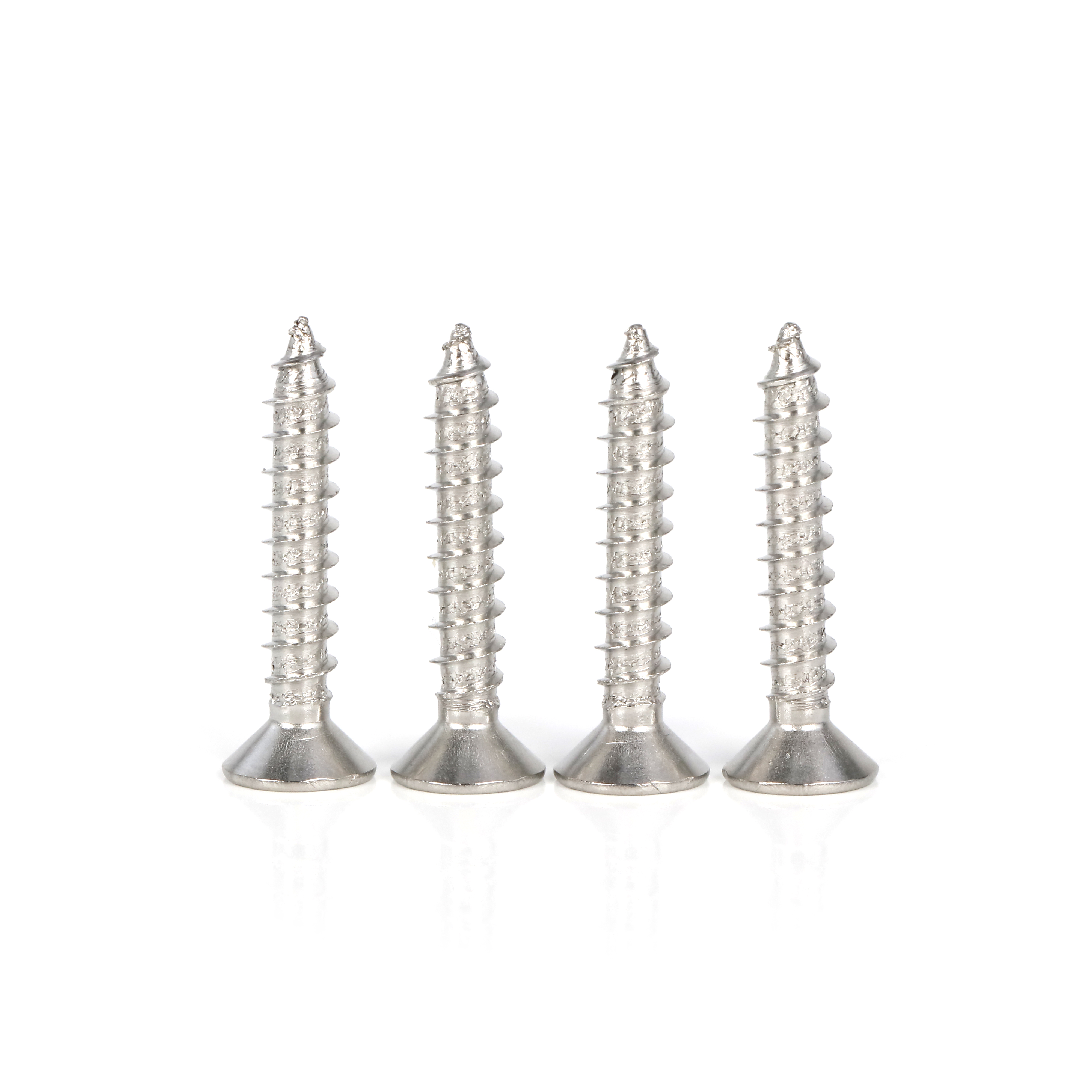


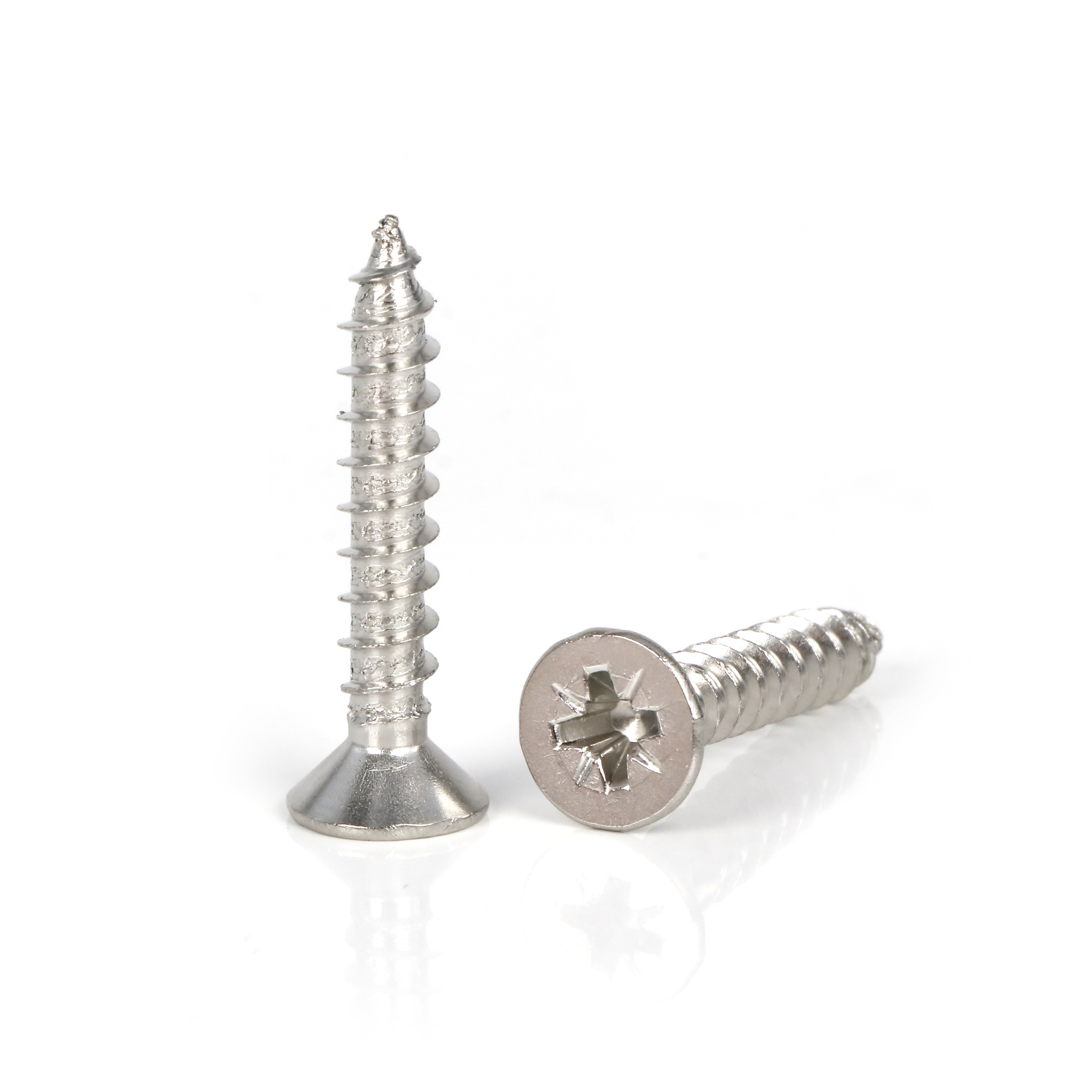

Self Tapping Screws for Metal and Plastic Assembly
Quick Spec Table
| Item | Available Options |
|---|---|
| Product | Industrial self tapping screws |
| Head type | Pan head, Countersunk head |
| Drive type | Phillips cross‑recess, Torx |
| Thread form | General self‑tapping / PT thread‑forming for plastic |
| Raw material | Carbon steel, 304 / 316 stainless steel |
| Surface finish | Zinc‑plated, black oxide, plain stainless |
| Size range | Metric M1.0‑M8, custom length & head dimension by drawing / sample |
| Typical use | Sheet‑metal parts, plastic housings, electronics, machinery assemblies |
Product Overview
Many assembly teams run extra work steps because they have to tap threads into parts ahead of fitting. Our self tapping screws fix this real‑world production pain point. When driven into pilot holes, their hardened thread profile cuts or displaces base‑material to build matching internal threads on‑spot.
We build these self tapping screws in two main material groups. Carbon‑steel versions deliver good hardness for general workshop jobs. Stainless‑steel grades suit projects exposed to damp or outdoor air to hold back rust. Buyers can pick pan‑head for broad surface support or countersunk head to sit flush onto part surfaces.
PT thread‑forming variants of these self tapping screws work especially well on thermoplastic components. Instead of shaving off plastic chips, the thread pushes material sideways, lowering crack risk on thin plastic shells during mass assembly runs.
Practical installation notes
One point field engineers often overlook: pilot‑hole size directly changes final fastening result for self tapping screws. Too small holes will create high driving torque and risk part cracking; over‑sized holes bring weak pull‑out strength. For your project, match hole diameter to material hardness (soft plastic vs hard metal). We can share reference hole‑size suggestions once you tell us your substrate material.
Material & surface finish choices
Carbon‑steel self tapping screws with zinc plating fit most indoor machinery, cabinet and sheet‑metal work. Black oxide finish is an option if you need dark appearance with mild rust protection for dry‑inside conditions.
When projects sit in humid sites or outdoor locations, shift over to 304 or 316 stainless steel self tapping screws. Stainless grades cut down maintenance from rust‑caused joint failure. If you have special coating requirements like nickel plating, send over your requirement for our evaluation.
Real‑world application scenarios

Manufacturing installers pick our self tapping screws for quite a few common jobs: electronic device housings, control cabinet sheet‑metal assembly, plastic enclosure fastening, small machinery sub‑assemblies, household appliance internal parts and light equipment frames.
For large‑volume production lines, removing pre‑tapping process steps lowers total assembly labour time. PT‑type thread‑forming self tapping screws see heavy use on automotive plastic parts, battery module housings and robot equipment plastic components.
About Our Factory
As an experienced domestic fastener producer, we have complete cold‑heading, thread‑rolling and in‑house testing facilities for making self tapping screws and many other kinds of industrial fasteners. Our team works with global buyers covering electronics, new‑energy, machinery and public‑facility projects.
We do not only deliver finished self tapping screws. Our technical staff can go over your application conditions, material requirements and assembly pain points, to give practical fastening suggestions before you place bulk orders. Every batch goes through dimension checking and hardness inspection before shipment, helping you avoid unexpected quality issues on your production line.
Whether you need standard off‑the‑shelf sizes or fully modified custom samples of self tapping screws, you can send drawings, sample photos or simple requirement lists to our sales inbox, and we will get back to you with clear quotes and lead‑time information.

Custom & OEM service
As a custom manufacturer of self tapping screws, we accept orders built from customer drawings or physical sample parts. Adjustable parameters cover thread diameter, overall length, head geometry, drive pattern, material grade and surface coating.
Before large‑batch production, we support small trial runs. Customers can test fit screws on their actual production material, check torque and pull‑out performance, and avoid mass‑order risk. Send us your drawing list or sample photos, our engineering team will get back with feasible suggestions and quotation.
FAQ
Q1: Do self‑tapping screws work without pilot holes?
A: Our regular self tapping screws require pre‑drilled pilot holes. They do NOT equal self‑drilling screws which create holes by drill‑point tip. Mix‑up will lead to broken screws or cracked work‑pieces.
Q2: Which material should I pick for outdoor use?
A: Go for 304 /316 stainless steel self tapping screws. Ordinary zinc‑plated carbon‑steel versions will rust after long‑term outdoor exposure.
Q3: What is the difference between standard self‑tapping and PT thread‑forming screw?
A: Standard self‑tapping cuts away material. PT thread‑forming displaces plastic without chip generation, better to stop cracking on thin thermoplastic parts.
Q4: Can you make non‑standard head sizes and lengths?
A: Yes. OEM / ODM custom orders are supported. Provide drawings or samples for us to assess production feasibility.