
The Core Dilemma: Environmental Compliance vs. Coating Durability
In the rapidly evolving landscape of industrial manufacturing, procurement managers and engineers face a critical bottleneck. The global push for sustainability has tightened regulations, making traditional fastener coatings a massive liability. Buyers are constantly battling the dual concern of ensuring strict environmental compliance while maintaining exceptional coating durability in harsh environments.
Historically, achieving maximum corrosion resistance meant relying on heavily toxic processes. Today, the stakes are higher. Using non-compliant fasteners can lead to blocked shipments, massive regulatory fines, and severe supply chain disruptions. Conversely, adopting subpar "green" alternatives often results in premature red rust, structural failures, and compromised safety in heavy-duty machinery and automotive applications.
Regulatory Roadblocks
With the enforcement of stringent global directives like RoHS 3 and REACH SVHC, traditional plating methods containing hazardous substances are being systematically banned across the EU and North American markets.
Premature Corrosion
Many early-generation eco-friendly coatings fail under extreme vibration and high-humidity environments, leading to rapid red rust formation and compromising the mechanical integrity of the entire assembly.
Hydrogen Embrittlement
High-strength fasteners (Class 10.9 and 12.9) are highly susceptible to hydrogen embrittlement during standard electroplating processes, creating invisible internal stress fractures that lead to catastrophic failures.
The Scientific Shift: From Hexavalent Chrome to Zinc Flake Technology
Why Hexavalent Chrome (Cr6+) is Obsolete
For decades, Hexavalent Chromium (Cr6+) was the industry standard for passivation due to its self-healing properties and excellent corrosion resistance. However, scientific consensus and environmental agencies have classified Cr6+ as a highly toxic human carcinogen. The chemical instability of the hexavalent state allows it to easily penetrate biological membranes, causing severe environmental contamination in wastewater and posing lethal risks to factory workers.
As a result, the automotive, aerospace, and renewable energy sectors have completely phased out Cr6+ in favor of sustainable alternatives. The transition is no longer optional; it is a fundamental requirement for any manufacturer seeking global market access.
The Rise of Zinc Flake Technology
The ultimate solution to this dilemma is Zinc Flake Technology. Unlike traditional electroplating, zinc flake coatings (such as Geomet® and Dacromet® alternatives) are applied non-electrolytically. This process involves a matrix of zinc and aluminum flakes bonded together by an inorganic binder.
Scientifically, this provides superior cathodic protection. Because the process does not involve electrolysis, it completely eliminates the risk of hydrogen embrittlement, making it the perfect surface treatment for high-strength hex socket screws and tension-critical industrial fasteners. Furthermore, it achieves up to 3-4 times the corrosion resistance of standard zinc plating at a fraction of the coating thickness.
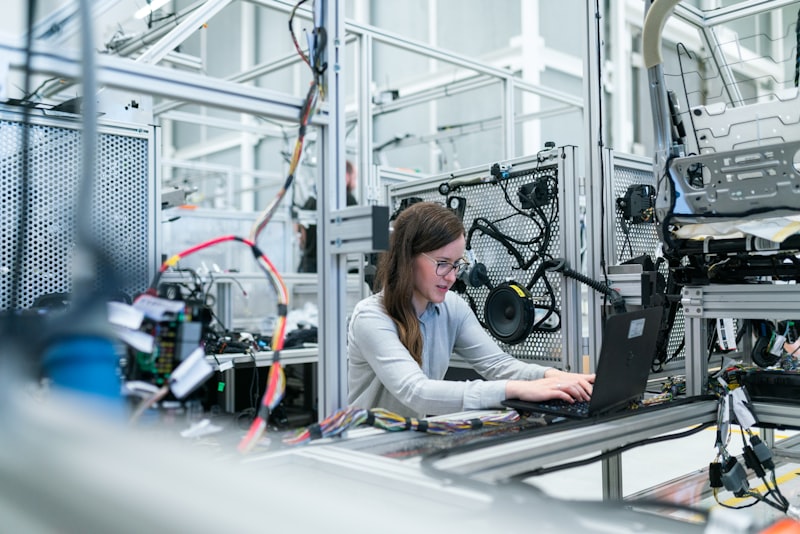
Our AI-Driven Factory Green Processes & Trivalent Passivation
As a forward-thinking manufacturer, we have completely overhauled our production lines to integrate eco-friendly surface treatments with cutting-edge AI technology. We don't just follow environmental standards; we set them. Our state-of-the-art facility is designed to deliver high-volume, non-standard custom fastener solutions without leaving a toxic footprint.
Trivalent Passivation (Cr3+)
We have successfully transitioned 100% of our standard plating lines to Trivalent Chromium (Cr3+) passivation. Cr3+ is environmentally stable, non-toxic, and fully compliant with RoHS and REACH. By utilizing advanced nano-sealants over the Cr3+ layer, we achieve salt spray performances that rival or exceed legacy Cr6+ coatings, providing a brilliant, durable finish for stainless steel and carbon steel screws.
AI Bath Titration & Monitoring
The secret to consistent coating durability lies in the chemical bath. We utilize AI-driven sensors to monitor pH levels, temperature, and chemical concentrations in real-time. Machine learning algorithms predict when the plating baths require replenishment, ensuring zero variance in coating thickness and preventing the quality inconsistencies that plague traditional fastener manufacturing.
Zero Liquid Discharge (ZLD)
Our commitment to sustainability extends to our wastewater management. Our factory employs a closed-loop Zero Liquid Discharge (ZLD) system. Heavy metals are precipitated, filtered, and recycled, while purified water is fed back into the production line. This ensures that our high-strength automotive and machinery fasteners are produced with absolute ecological responsibility.
Lab Testing & Salt Spray Proof: Uncompromising Quality
We understand that our buyers require empirical proof of durability. Our in-house testing laboratory rigorously validates every batch of fasteners. From visual AI defect detection to extreme environmental simulation, we guarantee that our anti-vibration and anti-cross-threading solutions perform flawlessly in the field.
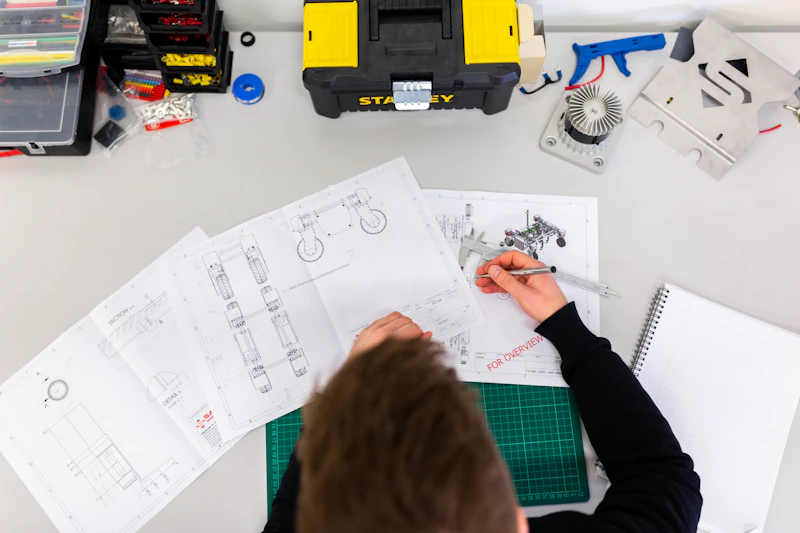
Rigorous Salt Spray Testing (SST)
Our Zinc Flake and Zinc-Nickel alloy coatings are subjected to continuous Neutral Salt Spray Tests (NSS) according to DIN EN ISO 9227 and ASTM B117 standards. While standard zinc plating may show white rust at 72 hours, our advanced eco-coatings consistently exceed 1,000+ hours without a single trace of red rust. This makes them the ultimate choice for outdoor corrosion resistance and heavy-duty machinery exposed to marine or chemical environments.
Friction Coefficient Control
In precision assembly, tightening torque is critical. Our sustainable coatings incorporate integrated lubricants (topcoats) that precisely control the coefficient of friction (µ = 0.09 - 0.14). This ensures uniform clamping force, preventing screw loosening under high vibration and eliminating galling in stainless steel applications.
Global Certifications: Your Trust Endorsement
We provide complete documentation and material data sheets (MDS) for international tracking systems like IMDS (International Material Data System). Our factory-direct pricing for automotive fastener distributors is backed by undeniable quality credentials.
Frequently Asked Questions (FAQ) on Eco-Friendly Fasteners
Transform Your Supply Chain Today
Stop risking your global shipments with non-compliant, low-durability fasteners. Partner with us for a One-Stop Custom Non-Standard Fastener Solution. Experience the superior performance of our sustainable surface treatments firsthand.
Get Free Sample & Custom Quote*Fast global shipping available. Factory direct pricing for bulk orders.